GiveDirectly
Prompt
Avocademy: The web3 challenge.
How might we improve accessibility and education of web 3 projects?
Team
Daania Rao-Design and synthesize lead
Robin-Research lead
Duration
1 week
Tools
Figma
Project context
GiveDirectly was created during a designathon hosted by Avocademy. For 48 hours, my team designed a mobile app that aims to integrate donations seamlessly with individuals globally with the benefit of using web 3.0.
Design Solution
Make an international donation on GiveDirectly
Track where the donation funds are being spent
Learn about the app and features through the onboarding flow
Step 1: Understanding Web3
Coming from a Web2 background, I began researching Web3 to understand its role and public perception. My research focused on three questions:
How much does the general population understand Web3?
Do people recognize its benefits?
Do they see the connection between crypto and Web3?
Research deep dive:
We reached out to multiple people through questionnaires given the time, to gauge their understanding of web3 and asked questions regarding web 3.
20 responses
Little to no knowledge of web3
Never heard of Dapp
Doesn't understand connection between web 3 and crypto
Concerned about how it works and/or security
"Why should I trust Web 3? It feels like a scam to me" -Survey participant.
2. How and where could we use Web3?
Our research showed Web3 offers:
Ownership of information
Transparency in data
Security in systems
Collaboration and opportunity for innovation
We identified philanthropy as a key area where Web3 apps could bring significant benefit.
Understanding who our users would be
Again we used surveys as our research tool to understand the world of philanthropy and how individuals have worked in the field.
100% of our participants have donated to local charities
Through our research, we learned that every individual living in first world country has donated one way or another to charitable causes within their lifetime.
30% of our users have donated money to international charities
We also learned that only 30% of the population has donated to international or global charitable causes. They know the calamities and/or initiatives happening in the world yet are limited in knowledge of ways to help them.
Why don't individuals donate internationally?
Corruption
Fears corruption in the process as individuals are not aware of the process.
Lack of visibility to impact generated
Individuals feel blindsided when it comes to the impact created by their donations as they are miles away.
"I like to see where my money goes"
Individuality
Many want to donate to individuals instead of big firms yet fear a lack of transparent communication and ways to build trust.
Giving starts local
💡 100% of participants have donated to local charities at some point in their lives.
Global giving is limited
🌍 Only 30% have donated to international causes — not from lack of interest, but from lack of awareness about how to help.
Our Main Users
Donor (Susan, 28)
Scenario
Wants to support local and global causes like clean water initiatives.
⚡ Pain points
- High platform fees
- Fear of corruption
- No visibility into donation impact
🎯 Needs
- Transparency + proof of impact
- Simple, secure donation process
📜 Background
Experience with GoFundMe and similar platforms
Philanthropist (Nathalia)
Scenario
Needs funds to build water access for her community but lacks credit/resources.
⚡ Pain points
- No funds for local labor
- High international transaction fees
- Slow processing times
🎯 Needs
- Build donor trust
- Receive funds instantly
- Reliable and simple platform
📜 Background
First initiative, building credibility for future projects
Problem Statement
Defining the problem statement and primary users helped narrow focus. For each idea, I evaluated:
Does it address a key problem space?
What resources are needed vs. potential impact?
How risky is it, and is it worth the investment?
How Might We
How might we add transparency and reliability to a donor's journey and individual philanthropist?
How to build users trust on the platform?
How to educate users about advantages of web3?
How can we build a platform that is accessible to all users?
Ideating Features
Platform Design
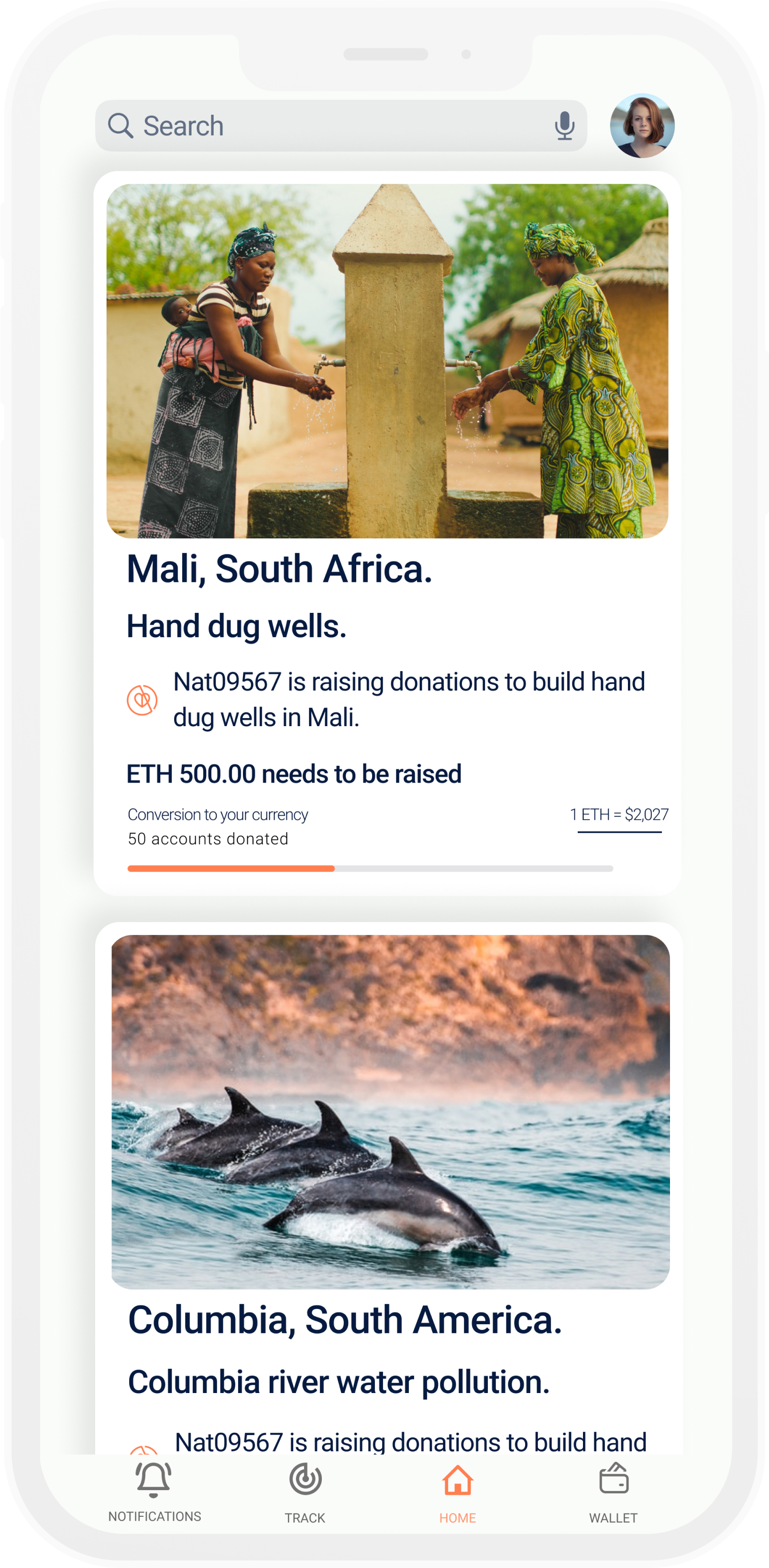
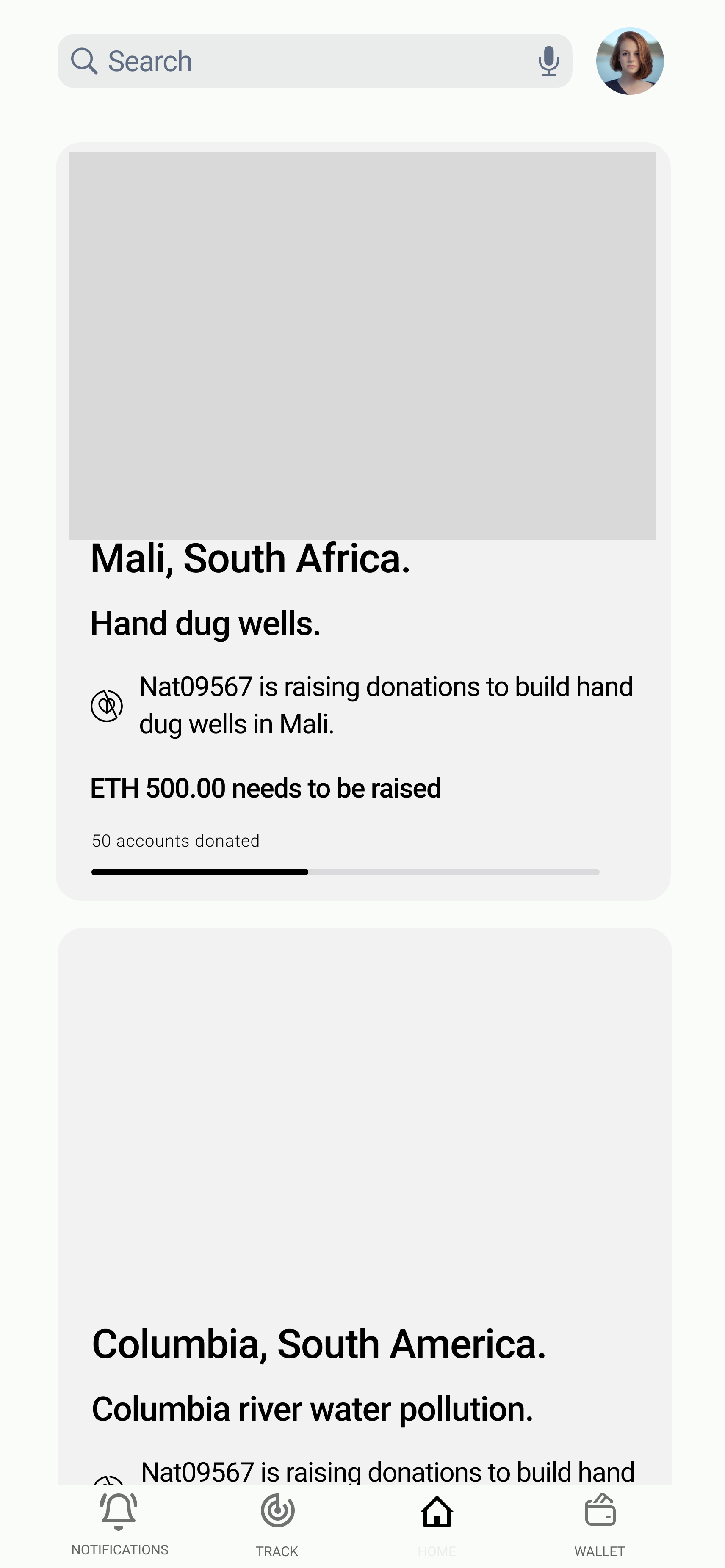
We designed the platform to be simple for all users and used crypto transfers for fast, low-cost funding.
Quick Funding Info
Shows money raised + contributors to build trust
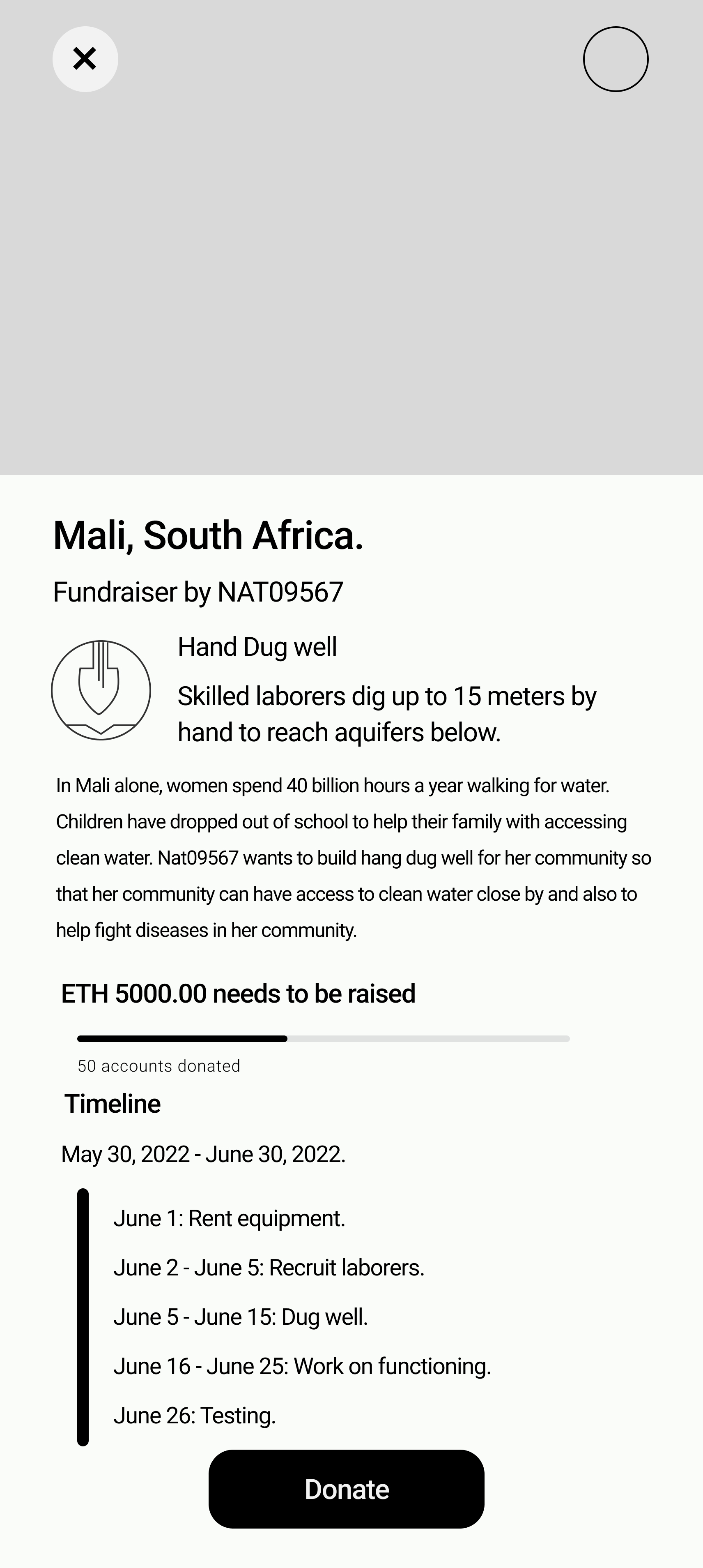
Timeline Visibility
Lists milestones so donors
know progress
Project Details
Describes how funds will be used
+ beneficiaries
Feedback & Reassurance
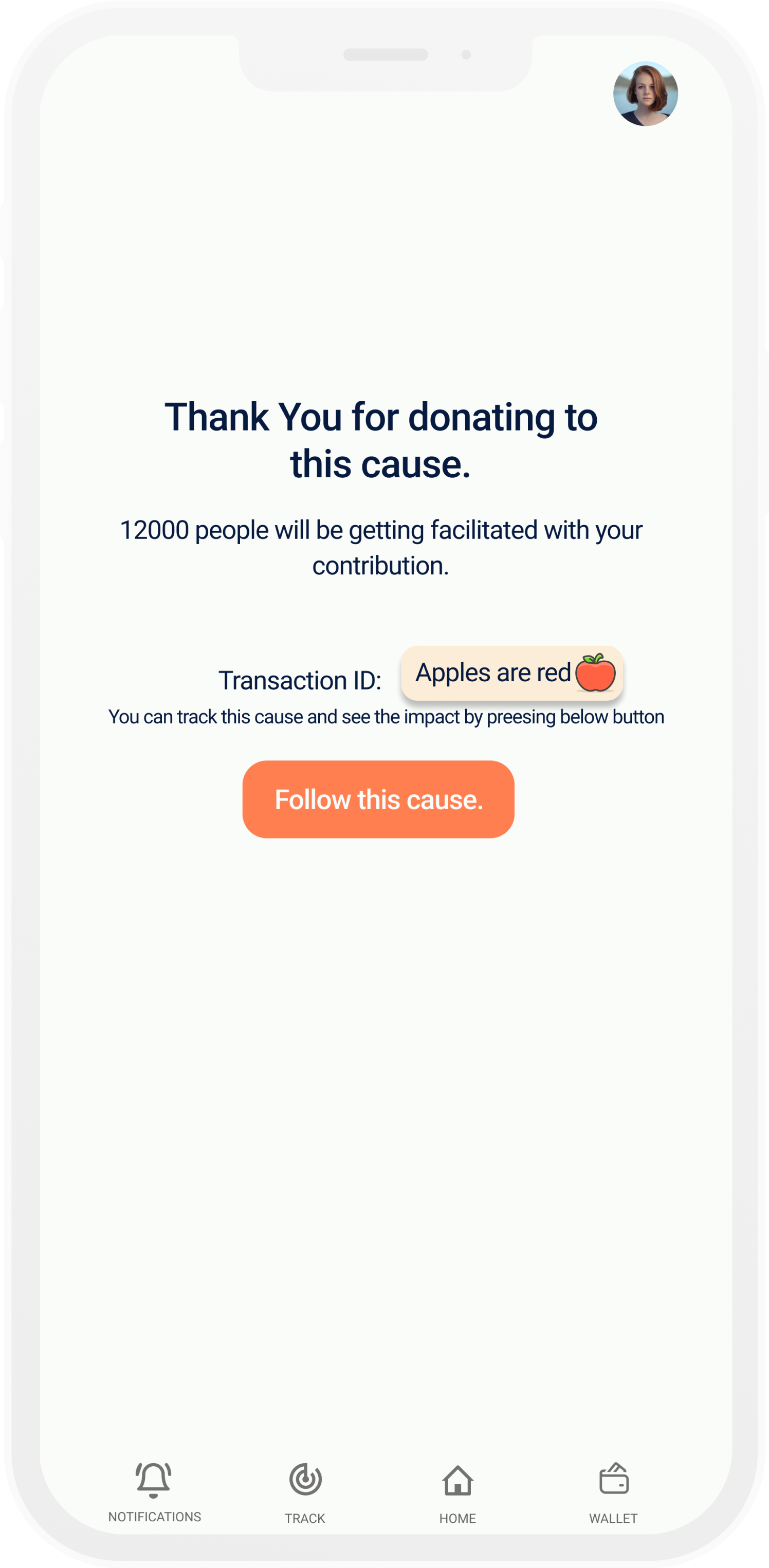
As Web3 is still new, users may hesitate to trust the platform. To build confidence, the app provides clear feedback at every step of the process.
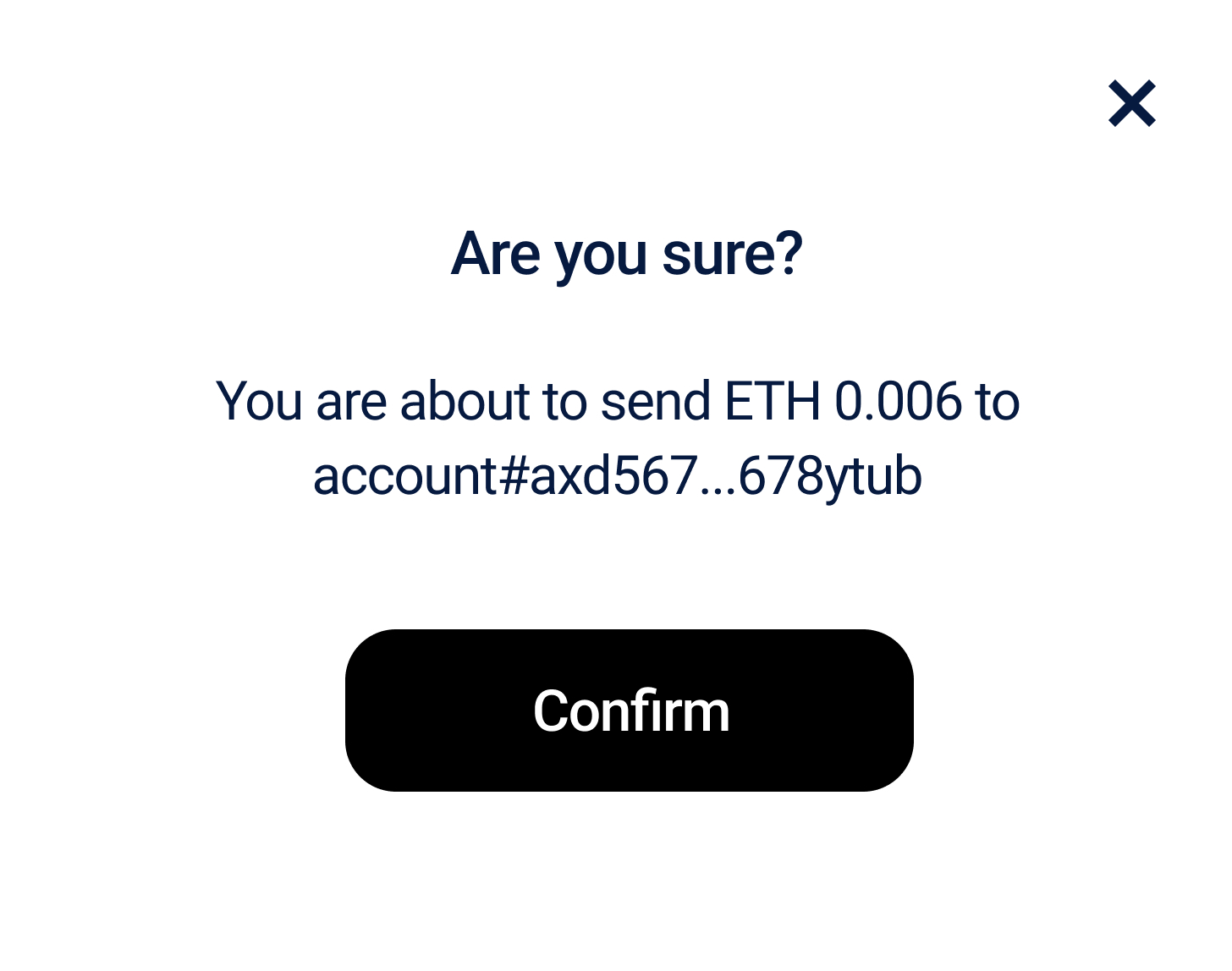
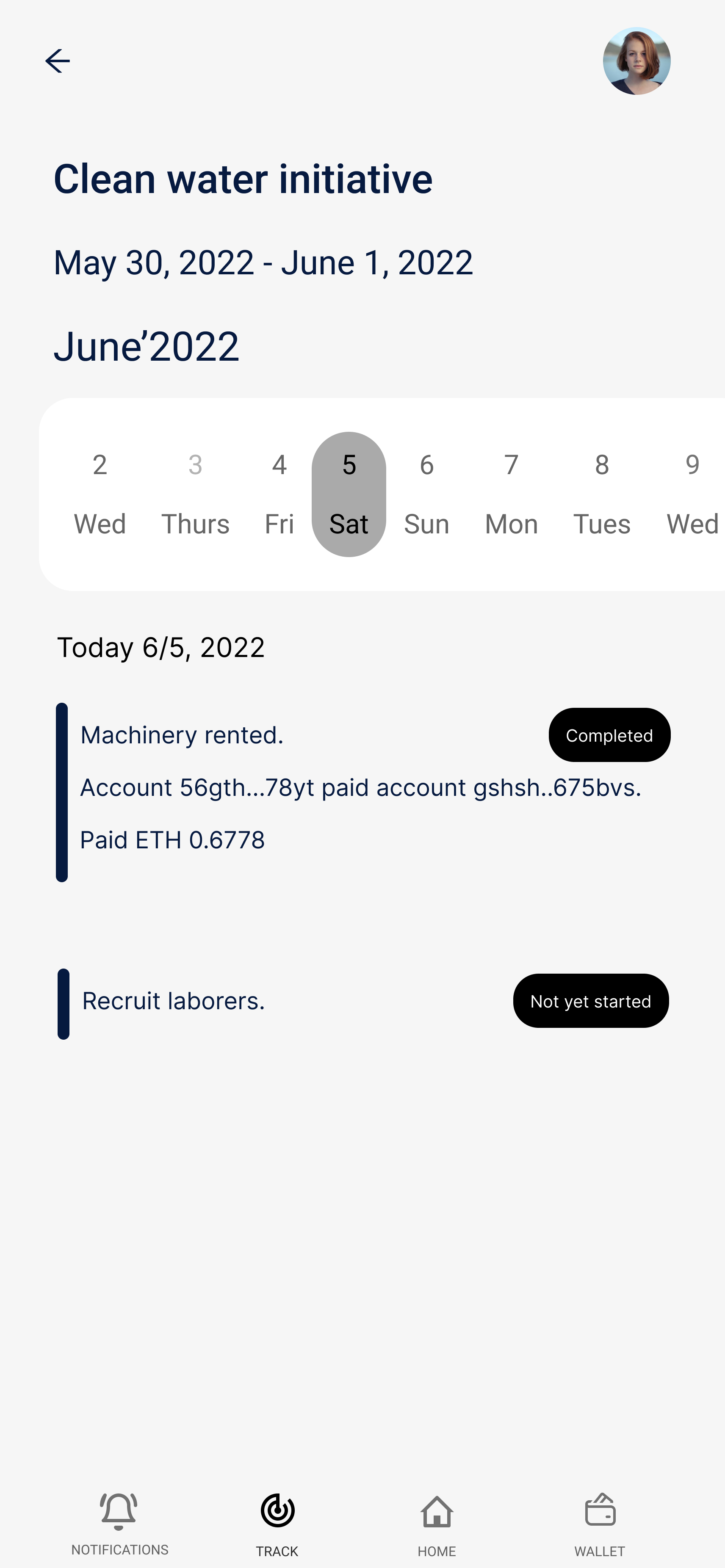
Tracking Fund Spending
Monitor how your donations are being used and track project progress in real-time.
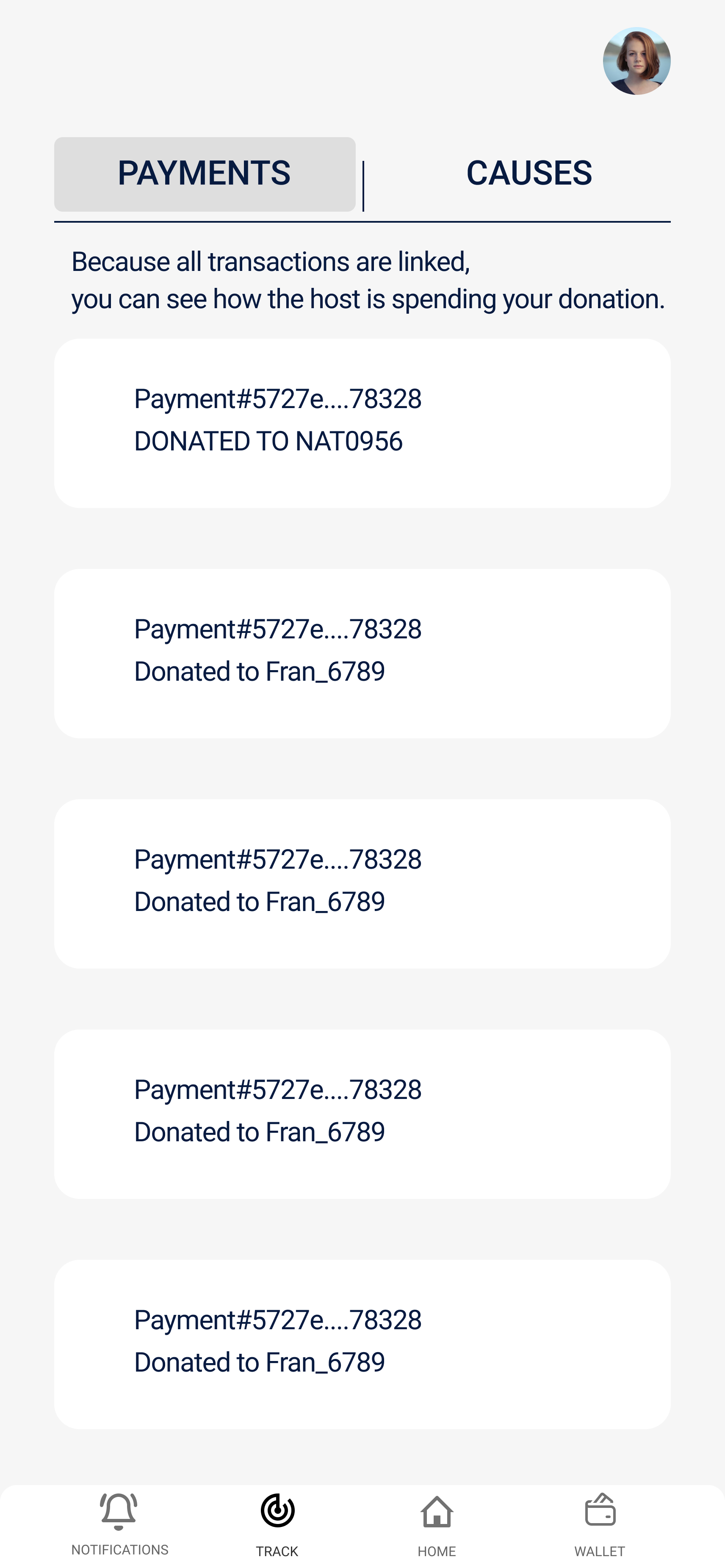
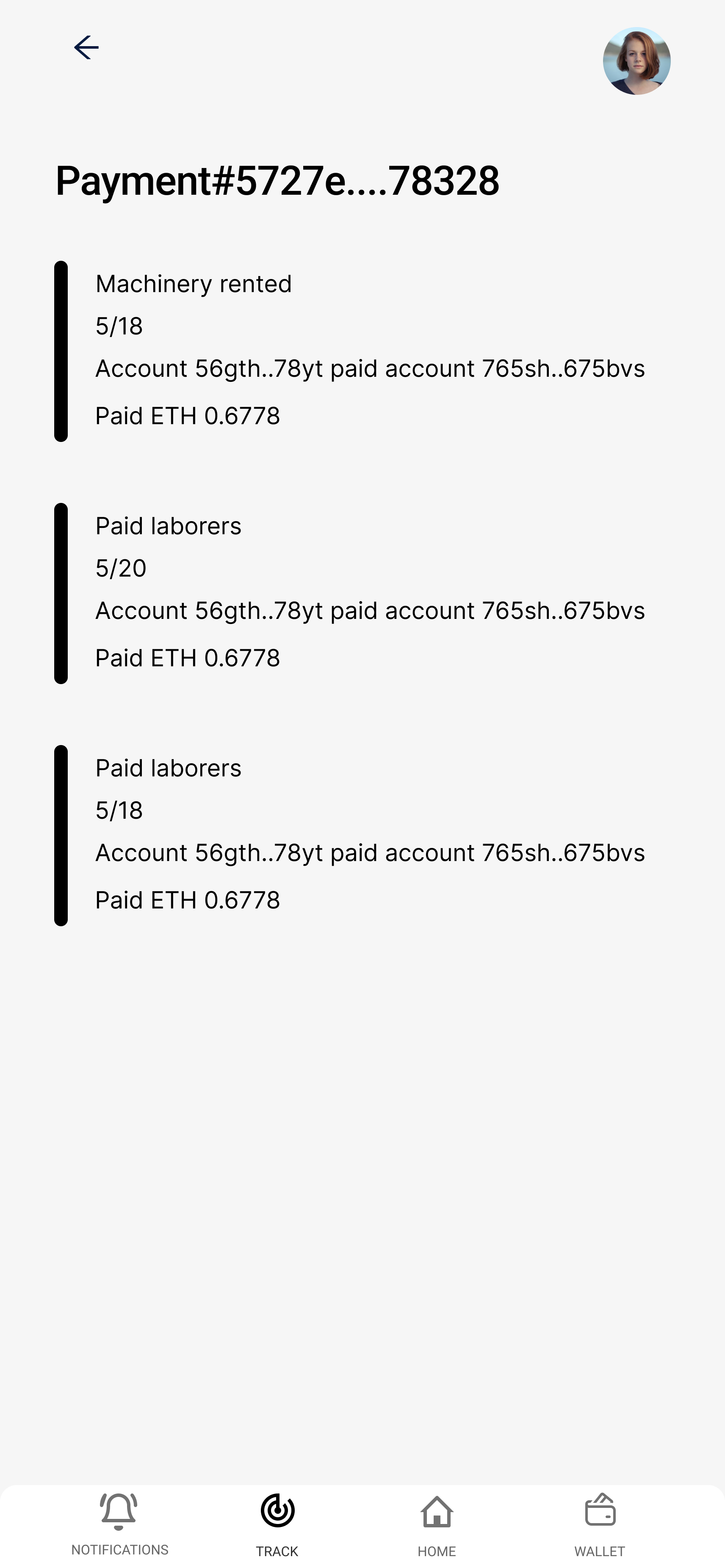

Payment receipts
Record of every transaction
Cause tracking
Updates on supported projects
Timeline view
Shows project milestones
Overview
Follow payments or causes easily
Educating Users
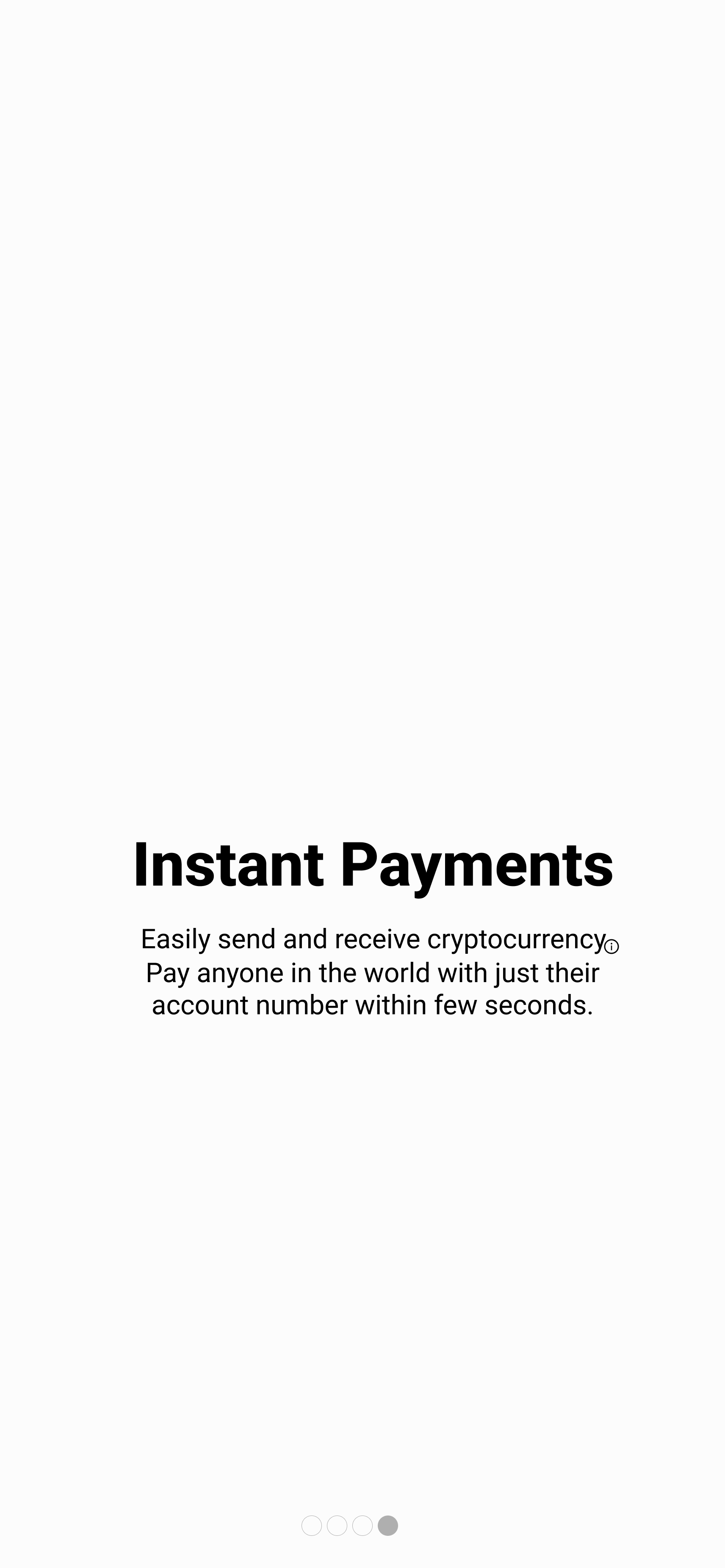
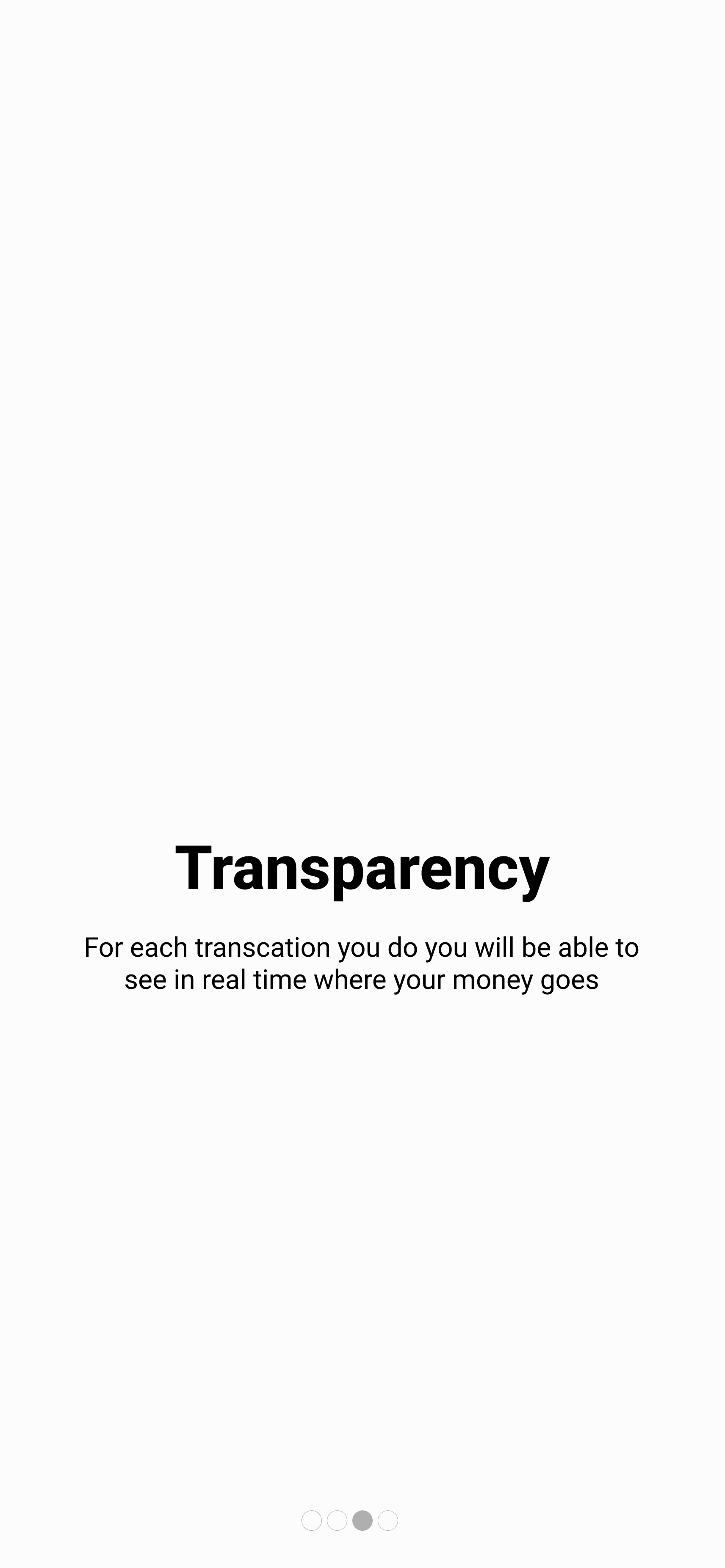
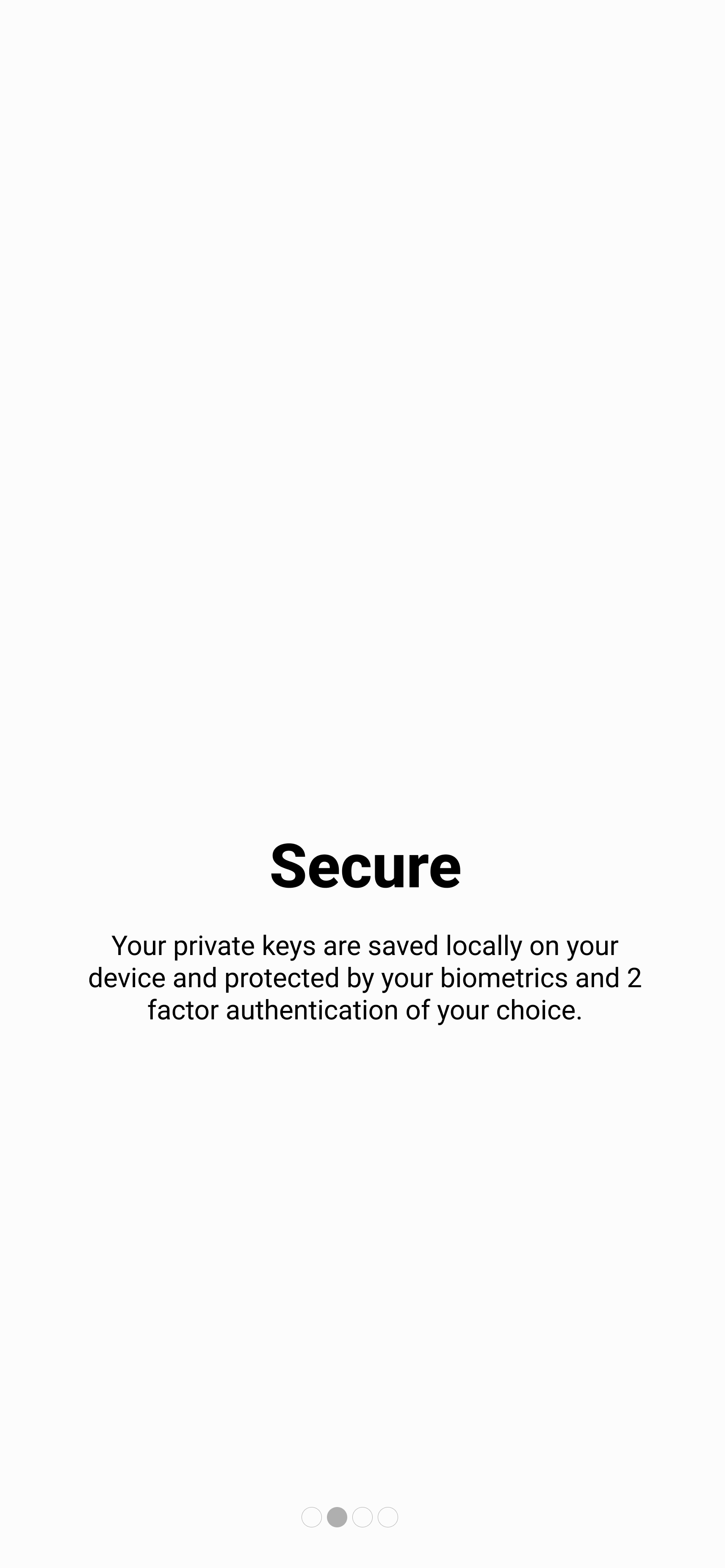
Interactive onboarding introduces app features and shows how Web3 powers the solution.

Testing and Improvements
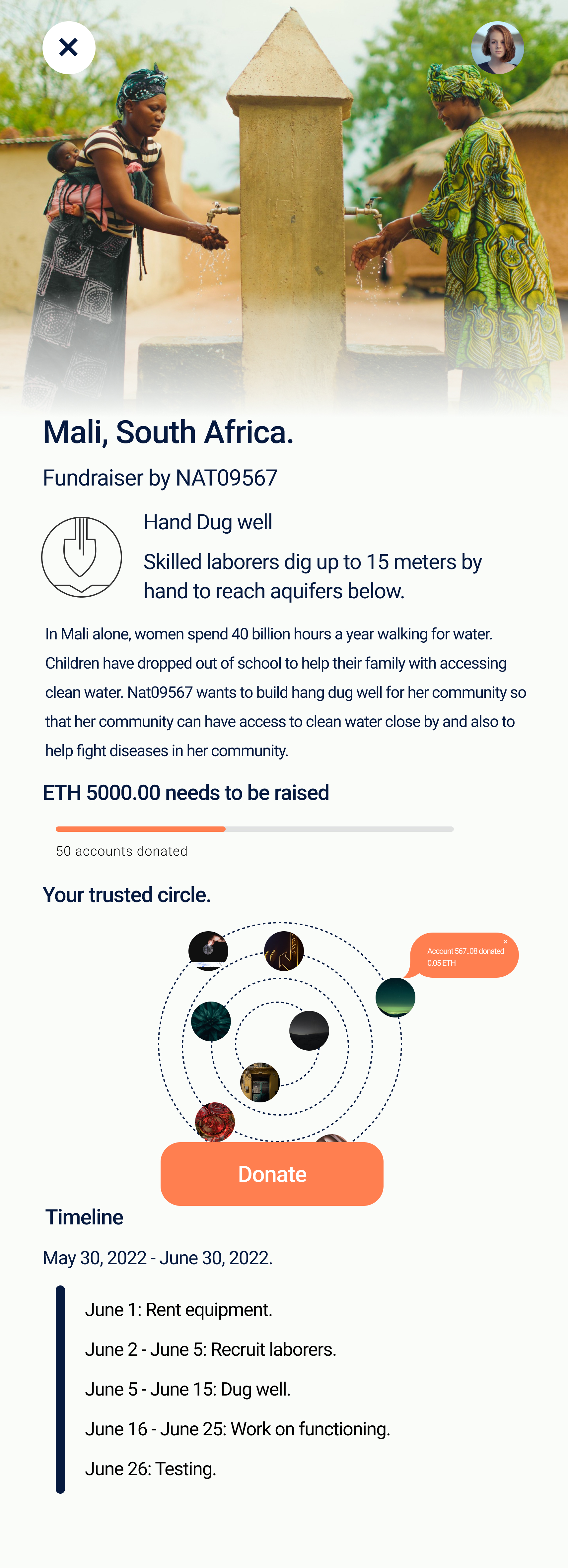
Addition of Trustable Circle Feature
We introduced a trustable circle to create a sense of community and transparency. Instead of anonymous donations, users can now see and connect with others who contributed, fostering empathy and shared impact.
Continuous Education on Web3
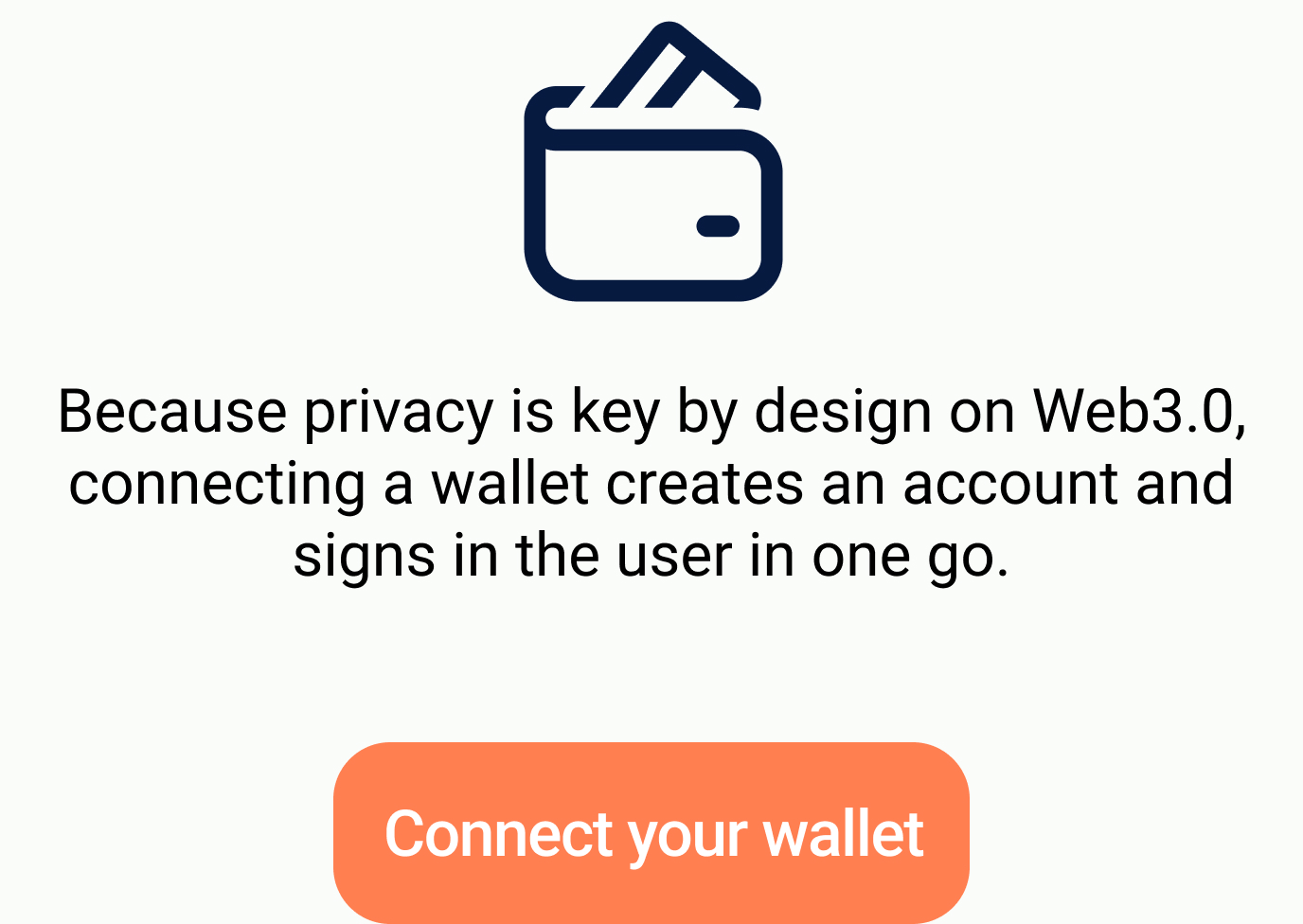
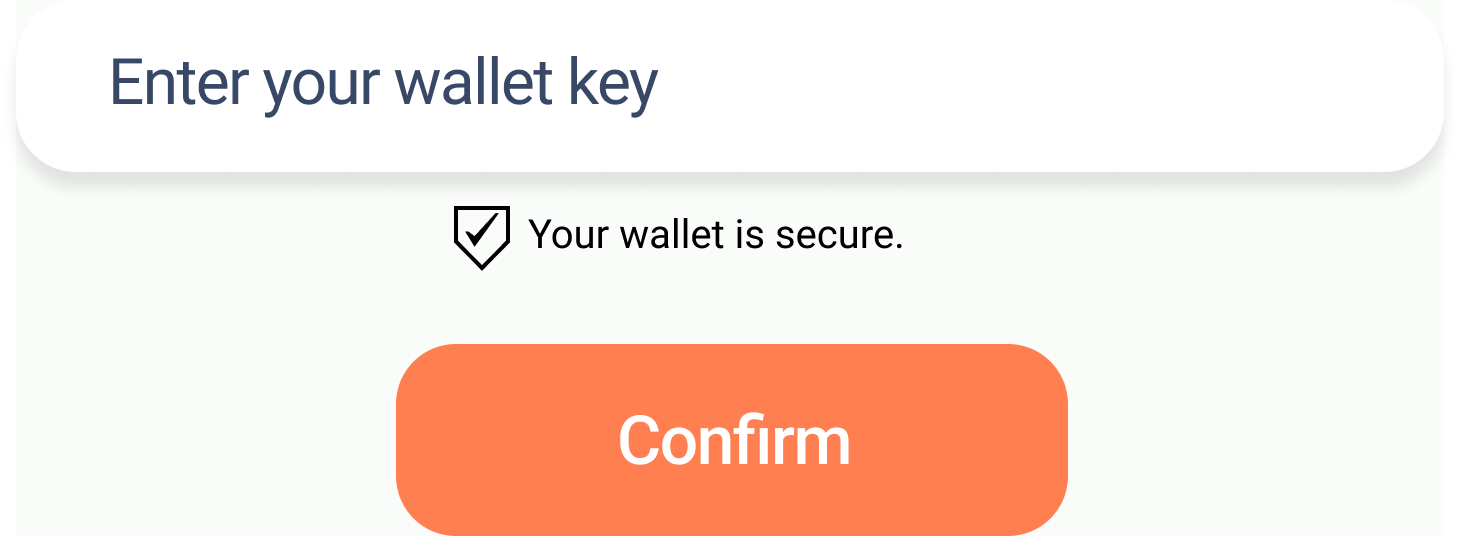
Some users still felt uninformed about key aspects of Web3. To address this, we added sub-copy in key sections explaining features in plain language, along with new security enhancements to strengthen trust.
Enhanced Security
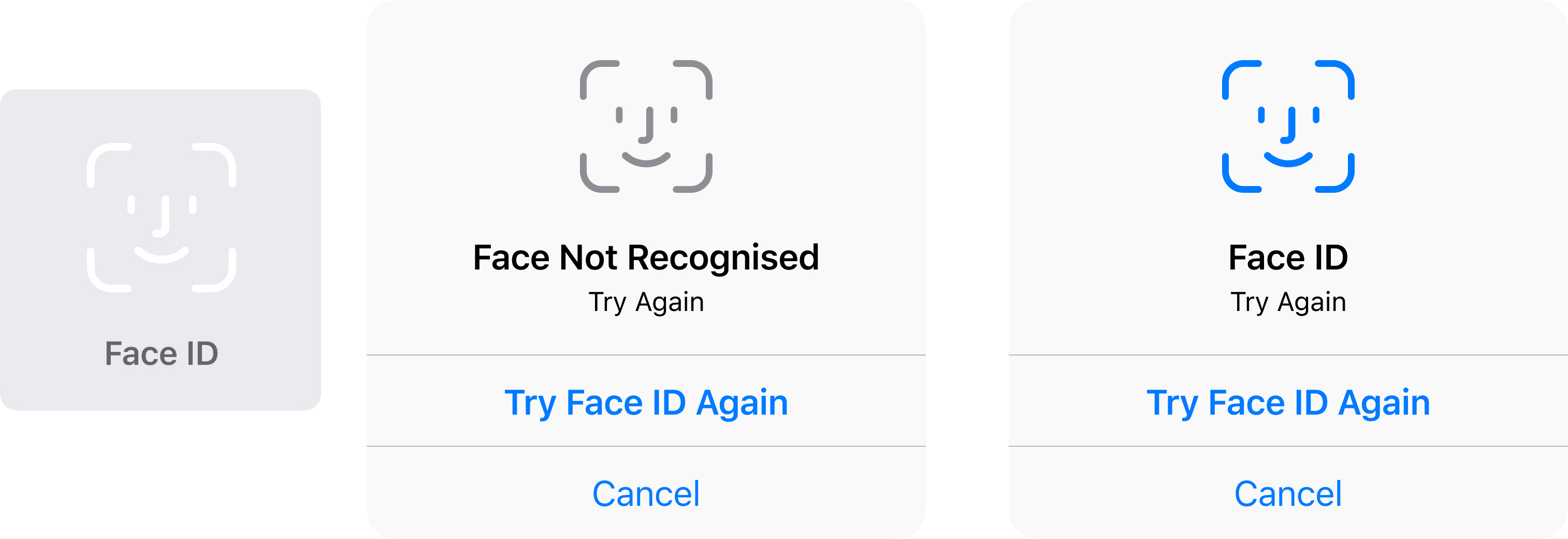
Added facial ID verification for stronger authentication
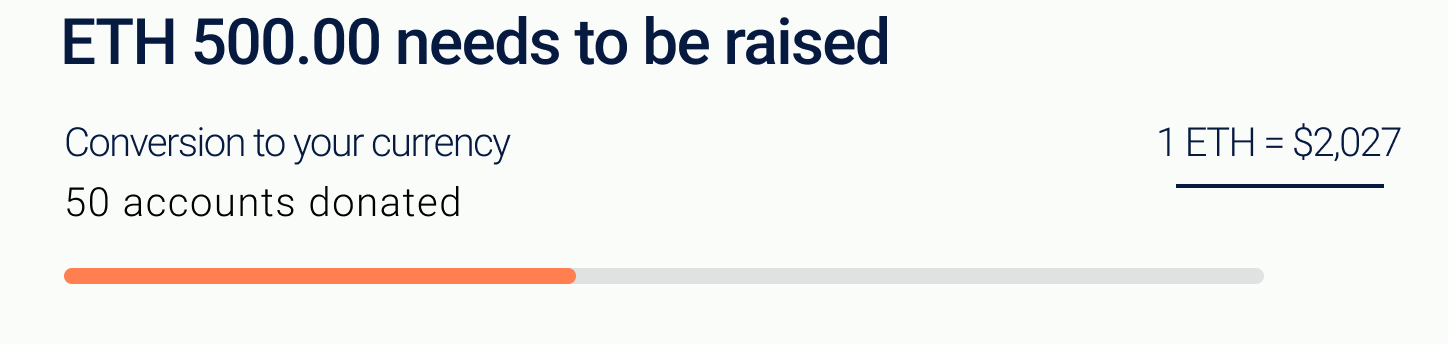
Displayed conversion rates between real and digital currencies, helping users feel more familiar and confident in transactions
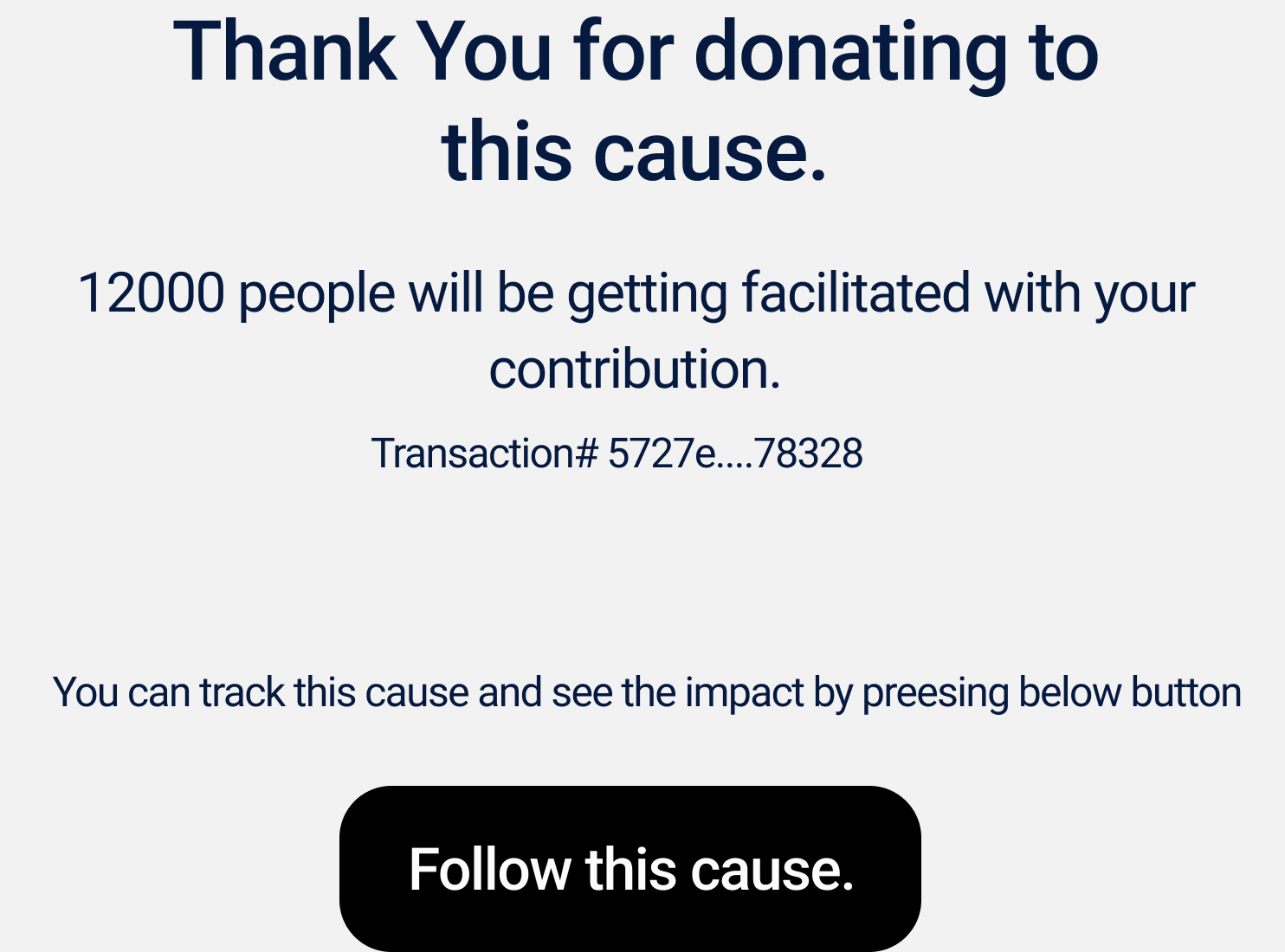
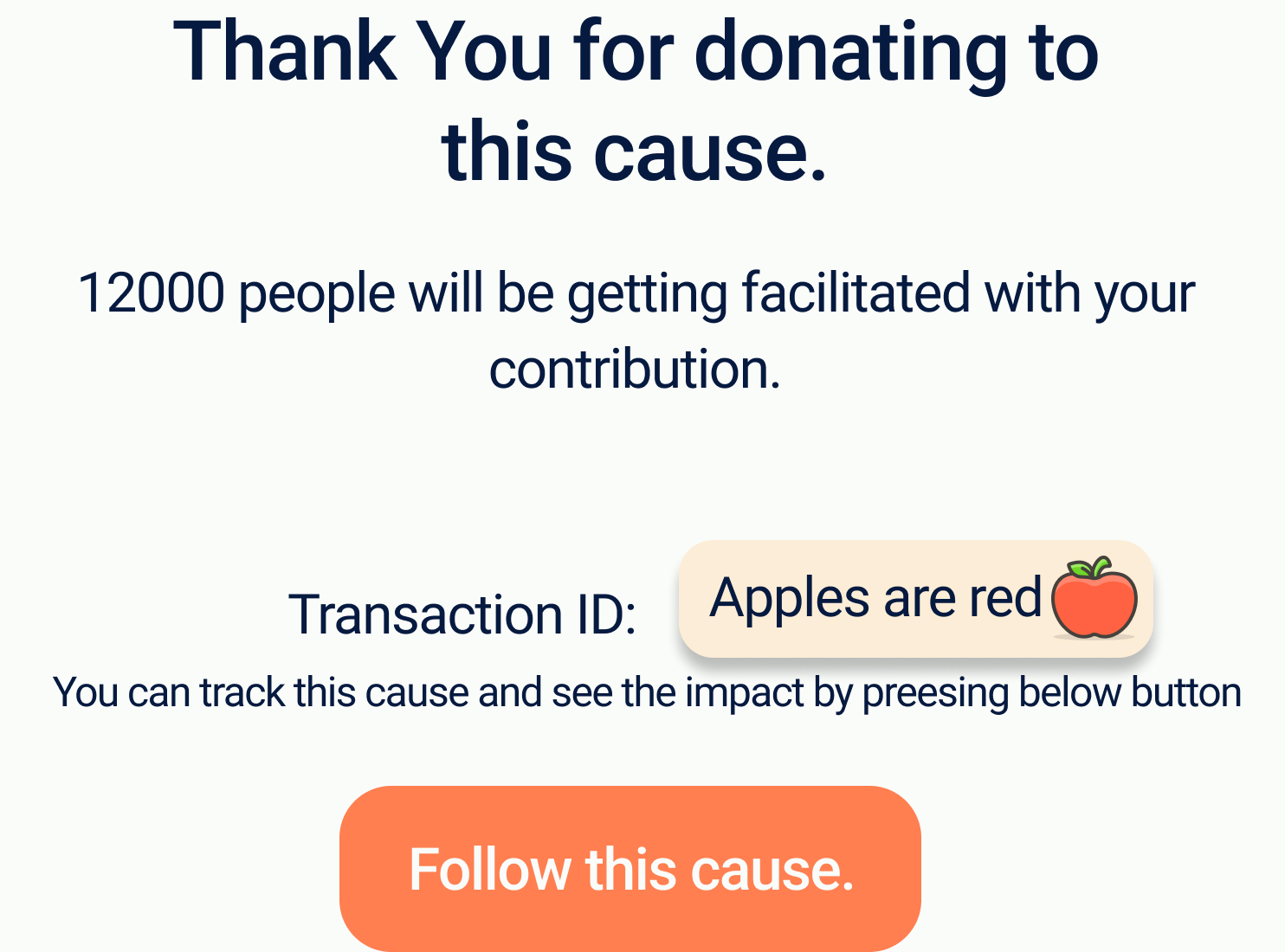
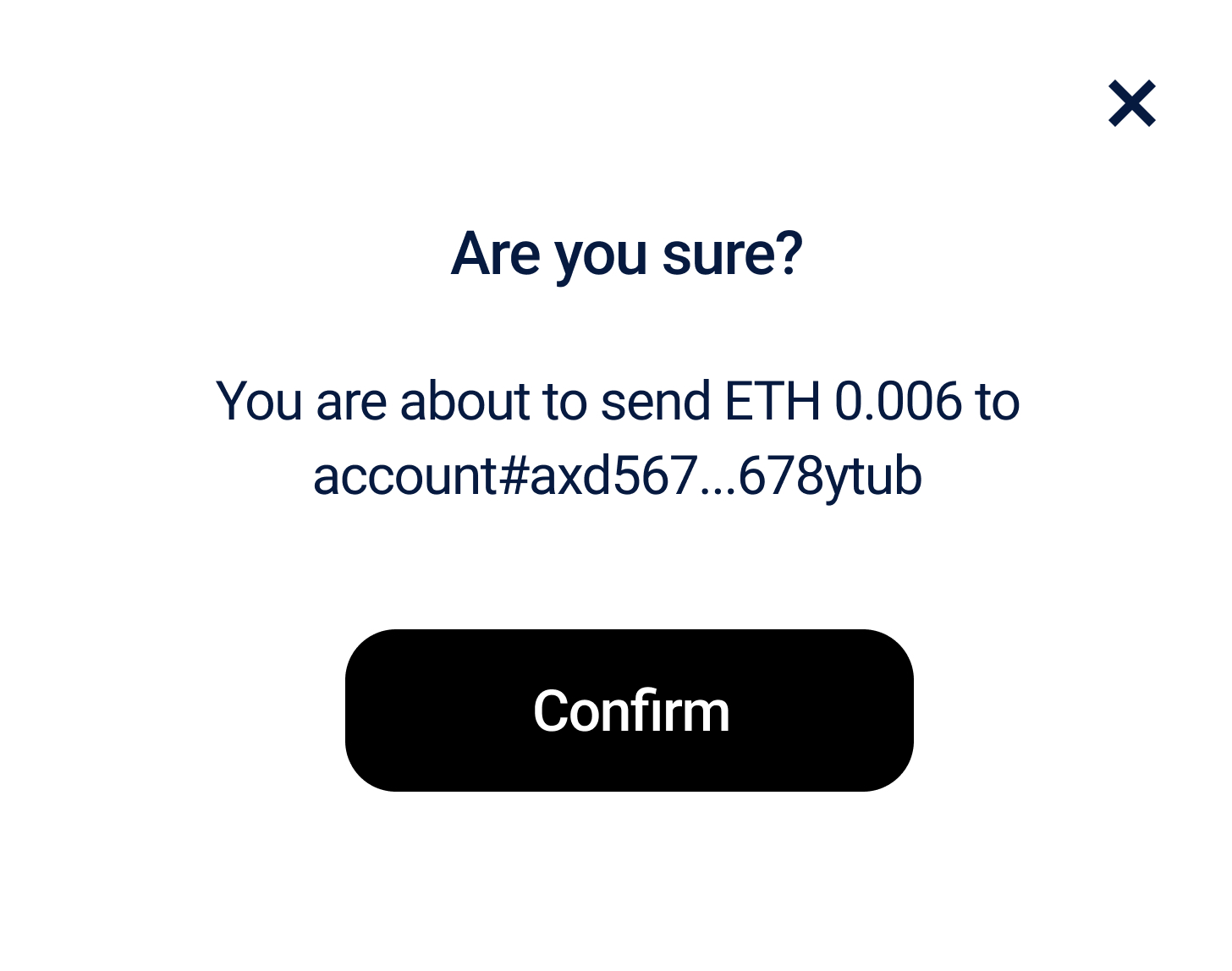
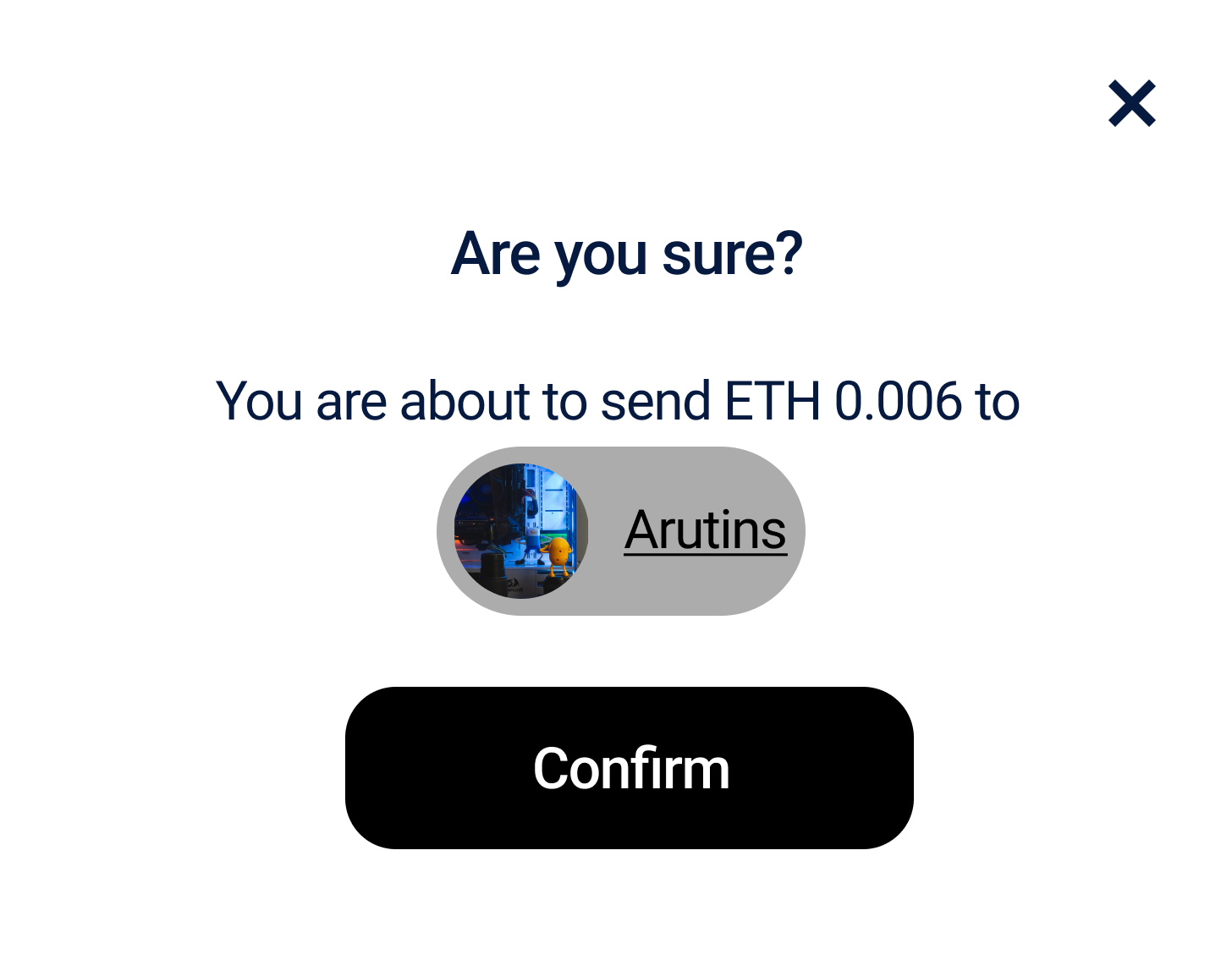
User Identification Update
We replaced long account numbers and transaction IDs with user-assigned nicknames, making the interface more relatable, easier to read, and simpler to remember.
Before
After
Before
After
Let's work together
I'm always interested in new opportunities and collaborations.